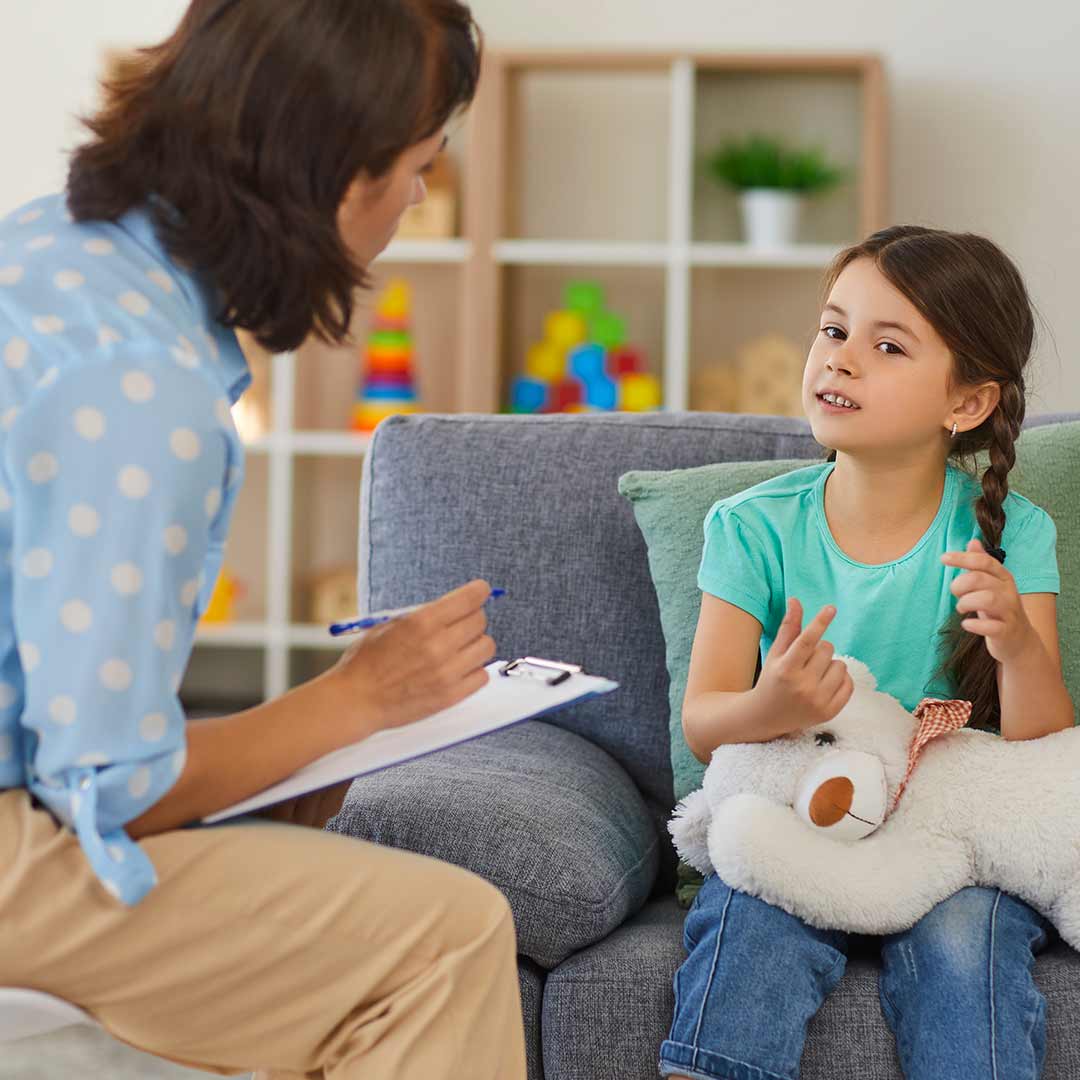
When Should a Child Receive Behavioral Health Support?
A child should receive behavioral health support when they show persistent signs of emotional distress, behavioral difficulties, or developmental delays that interfere with their daily functioning. This can include frequent tantrums, aggression, anxiety, withdrawal, difficulty concentrating, or problems with school performance. While occasional mood swings or behavioral issues are a normal part of development, ongoing struggles that impact a child’s ability to engage in school, interact with peers, or maintain family relationships may signal the need for professional intervention. Additionally, children who have experienced traumatic events, such as family conflict, loss, or exposure to violence, may benefit from behavioral health support to help process their emotions and develop healthy coping mechanisms. Early identification and treatment of mental health issues in children can prevent more serious problems from developing later in life.