How Does Telemedicine Work for Remote Healthcare?
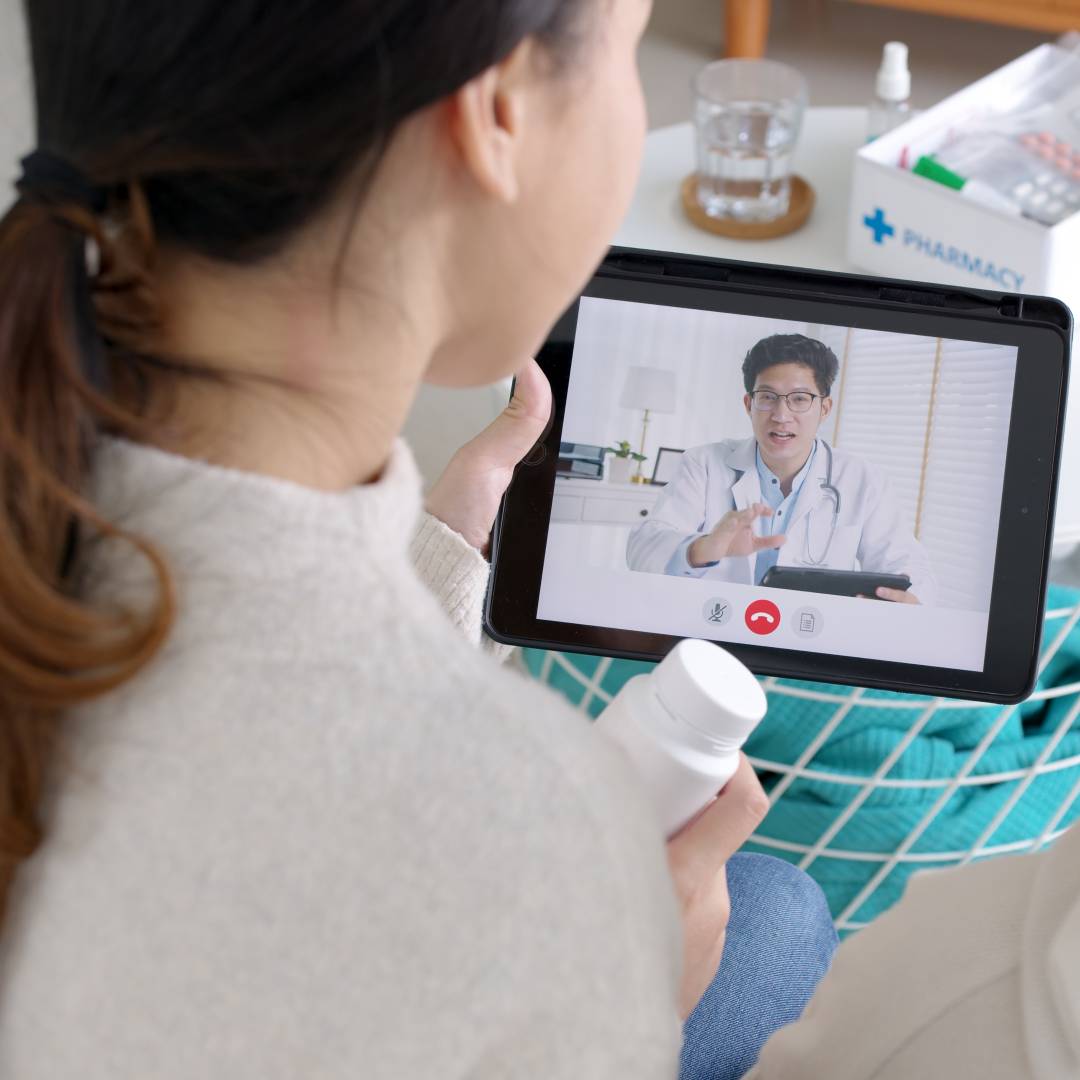
Telemedicine allows healthcare providers to deliver medical services remotely through digital platforms, enabling patients to consult doctors via video calls, phone calls, or secure messaging. This form of healthcare delivery involves the use of technology such as smartphones, computers, and specialized software to facilitate virtual consultations. During a telemedicine session, patients can discuss their symptoms, medical history, and concerns, and healthcare providers can offer advice, diagnosis, or treatment plans based on the information provided. In some cases, telemedicine can also incorporate remote monitoring tools, allowing healthcare professionals to track patients' vital signs and progress in real-time. For remote healthcare to be effective, both patients and healthcare providers need access to secure, user-friendly technology. Telemedicine platforms ensure that patient data remains confidential, following strict regulations like HIPAA in the U.S. Telemedicine is particularly useful for ongoing care, chronic disease management, and mental health support, as it allows patients to stay connected with their healthcare providers without the need for frequent in-person visits.