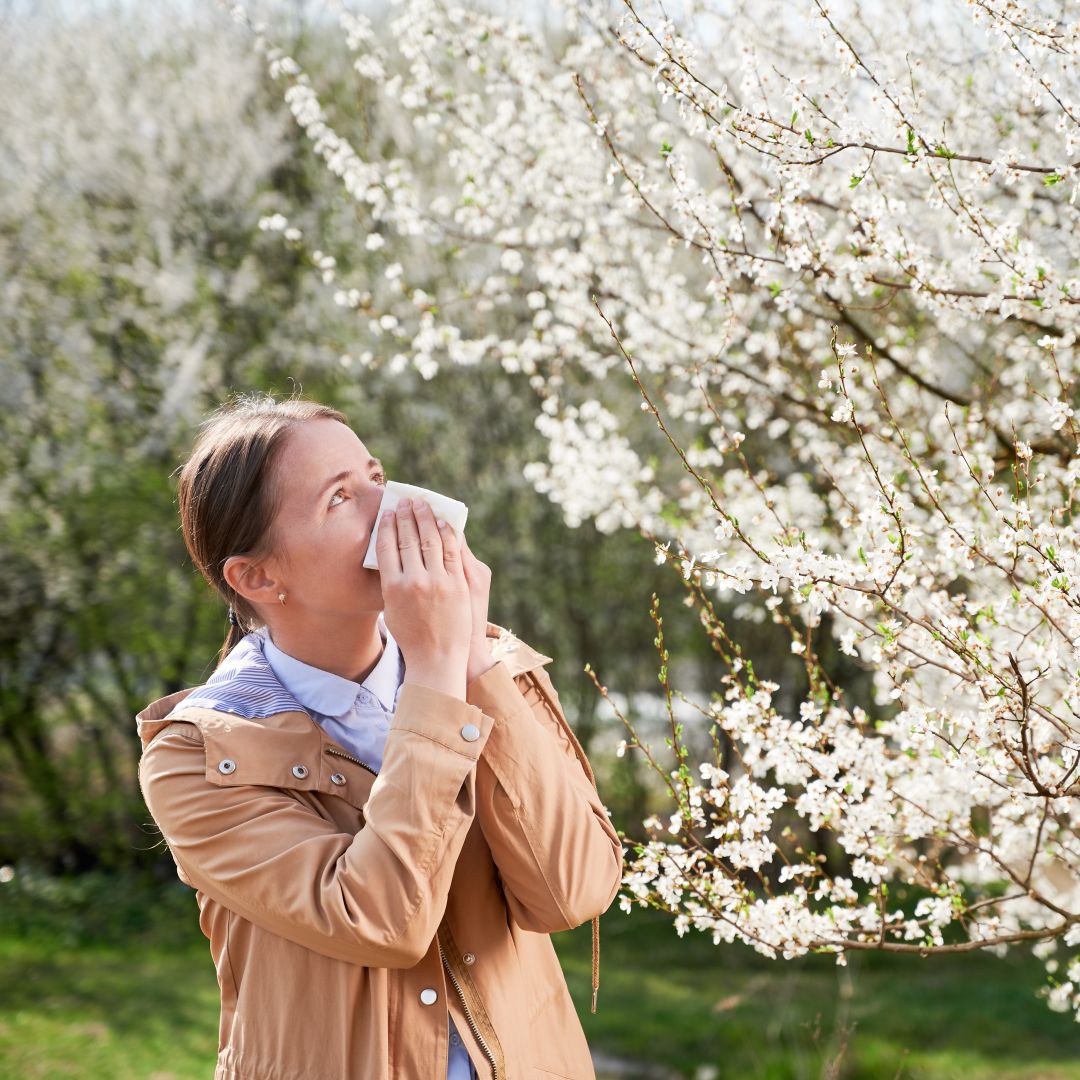
How Does Weather Impact Allergy Prevention?
Weather plays a significant role in Allergy prevention, as different weather conditions can affect the levels of allergens in the environment. For instance, warm, dry, and windy weather can increase pollen levels, making outdoor activities more challenging for those with pollen allergies. Conversely, rainy weather can temporarily reduce pollen in the air but may also promote the growth of mold spores, which can trigger allergies in sensitive individuals. Cold weather, on the other hand, often forces people indoors, where dust mites and pet dander may become more concentrated, especially in poorly ventilated homes. Understanding how different Weather conditions affect your allergies can help you take preventive measures, such as staying indoors during high pollen days, using air purifiers, or adjusting your allergy medications seasonally.