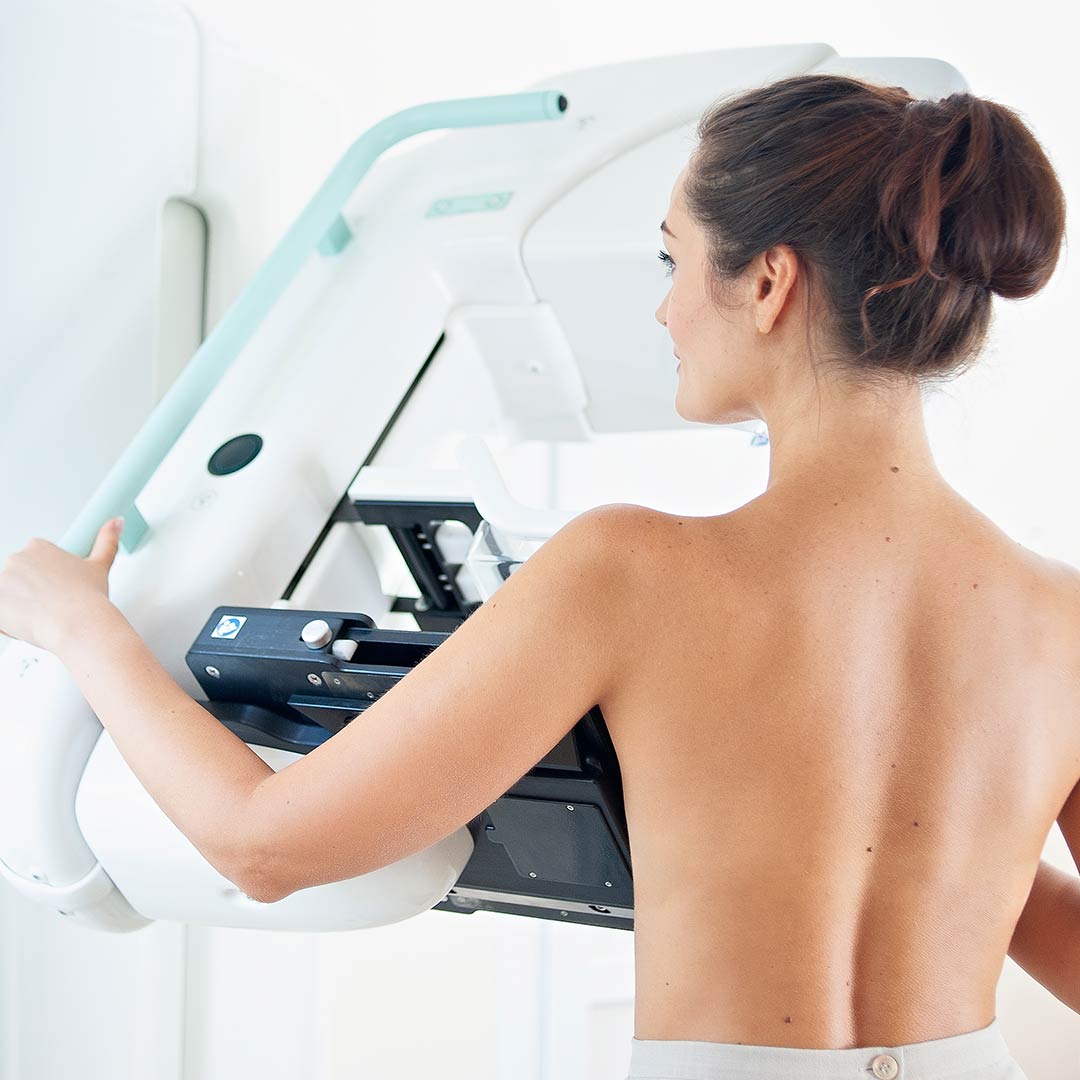
What Is Involved in a Breast Cancer Screening and How Does It Help with Early Detection?
Breast Cancer screening typically involves a few key procedures aimed at early detection of cancerous or precancerous conditions in the breast. The most common method is a mammogram, which is an X-ray of the breasts used to detect abnormal growths or changes in breast tissue. Mammograms can identify tumors that are too small to be felt during a physical examination, and they are recommended annually for women over 40 or earlier for those with a high risk of breast cancer. In addition to mammograms, clinical breast exams conducted by healthcare professionals and self-breast exams are also encouraged as part of regular screening practices.
Early detection through these screening methods significantly improves the chances of successful treatment and can drastically reduce the fatality rate associated with breast cancer. By identifying cancer at its earliest stages, treatments can be less invasive and more effective, often before the cancer has had a chance to spread to other parts of the body. Furthermore, regular breast cancer screening empowers women with timely information about their breast health, allowing for quick action and management if any abnormalities are detected. This proactive approach plays a crucial role in not only saving lives but also in minimizing the impact of breast cancer on a woman's health long-term.