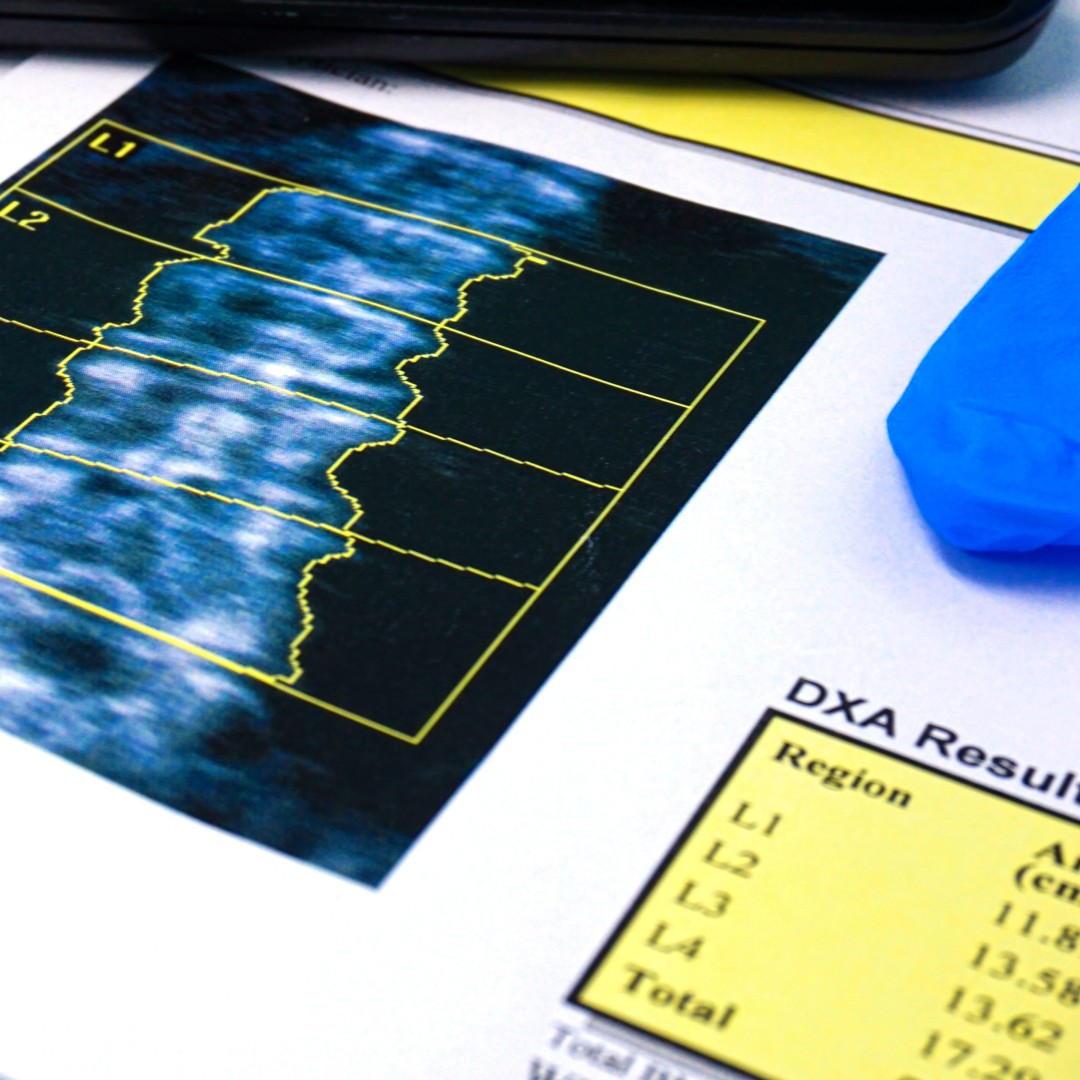
How Accurate Is a DEXA (Bone Density) Scan in Diagnosing Bone Conditions?
A DEXA Scan is widely regarded as one of the most accurate and reliable methods for assessing bone mineral density (BMD) and diagnosing bone conditions like osteoporosis. The scan is highly sensitive, allowing healthcare providers to detect even subtle changes in bone density, which is critical for early diagnosis and intervention. The T-score generated from the scan gives a clear picture of bone health, helping to identify individuals at high risk of fractures. When used correctly, a DEXA scan has a very high accuracy rate, with minimal chances of false positives or false negatives.
However, like any medical test, the accuracy of a DEXA Scan can be affected by certain factors. These include improper positioning during the scan, the presence of spinal deformities or arthritis, or issues related to body composition, such as obesity. The presence of certain conditions, like osteoarthritis, can artificially increase bone density readings, potentially masking osteoporosis. Despite these factors, DEXA remains the gold standard in bone density measurement, especially when combined with clinical assessments and risk factor evaluations. In most cases, DEXA provides a reliable diagnosis and serves as a valuable tool in monitoring bone health over time.