How Is Peripheral Neuropathy Diagnosed and Treated?
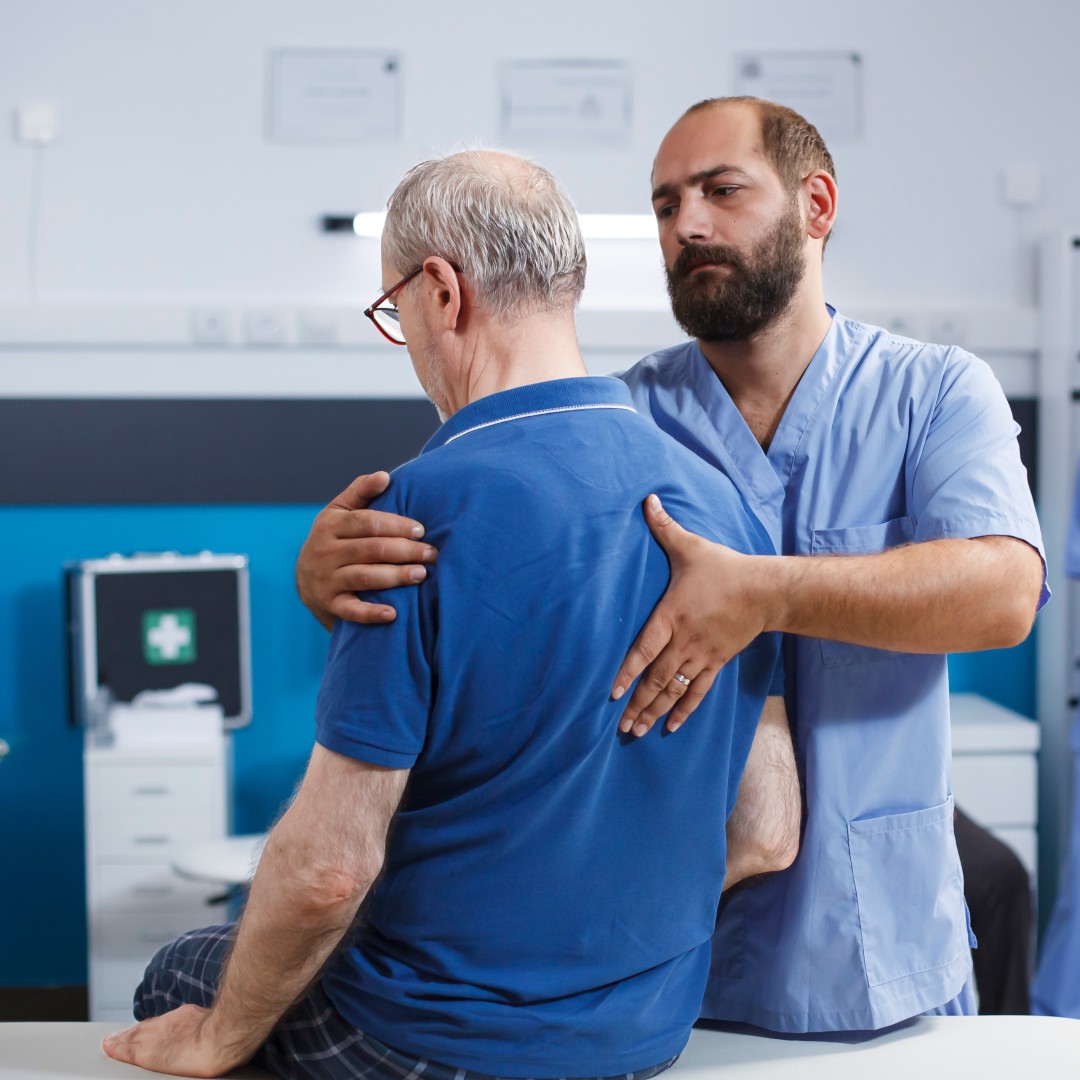
Peripheral neuropathy is diagnosed through a combination of medical history evaluation, physical examinations, and specialized tests. During the initial assessment, a healthcare provider will ask about symptoms, possible causes, and risk factors, such as diabetes, alcohol use, or recent infections. Physical exams often include testing for reflexes, muscle strength, coordination, and sensation in the limbs. To confirm the diagnosis and identify the underlying cause, additional diagnostic tests may be performed. These can include nerve conduction studies (NCS), which measure the electrical activity of nerves, and electromyography (EMG) to assess muscle function. Blood tests are commonly used to check for diabetes, vitamin deficiencies, kidney problems, and other conditions that may contribute to neuropathy. Treatment for peripheral neuropathy typically focuses on managing the underlying condition causing the nerve damage, when possible, and alleviating symptoms. If diabetes is the cause, proper blood sugar management is crucial. Pain management is a key aspect of treatment and may include medications that help modulate nerve pain. Other treatment options include physical therapy to improve strength and coordination, and lifestyle changes like a balanced diet and exercise.