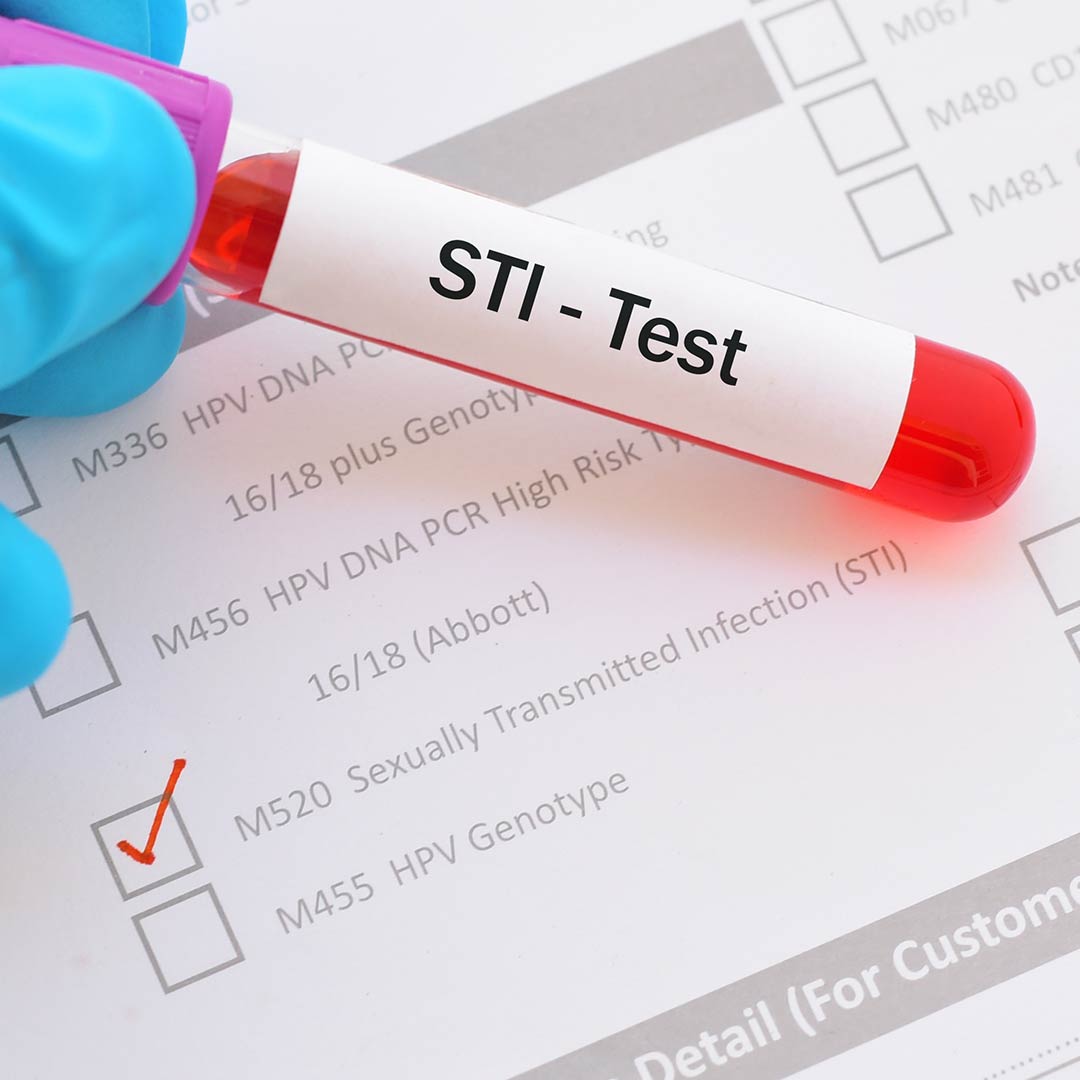
Why Is STI Testing Important?
STI testing is important because it helps detect sexually transmitted infections (STIs) early, allowing for timely treatment and reducing the risk of complications. Many STIs, such as chlamydia, gonorrhea, and syphilis, may not show noticeable symptoms, particularly in the early stages. As a result, individuals may unknowingly transmit the infection to others or experience long-term health issues if left untreated. Early detection through regular STI testing can prevent the spread of infections, safeguard the health of sexual partners, and reduce the likelihood of severe complications such as infertility, pelvic inflammatory disease (PID), or increased susceptibility to HIV.
In addition to preventing physical health issues, STI testing is essential for mental well-being. Knowing your status can reduce anxiety and provide clarity, allowing individuals to make informed decisions about their sexual health and relationships. Regular STI testing is particularly crucial for those who are sexually active, have multiple partners, or engage in unprotected sex. It also plays a key role in public health efforts to reduce the overall burden of STIs within communities. Overall, STI testing is a proactive step in maintaining both personal and public health, promoting healthier sexual practices, and ensuring early treatment for those who test positive.