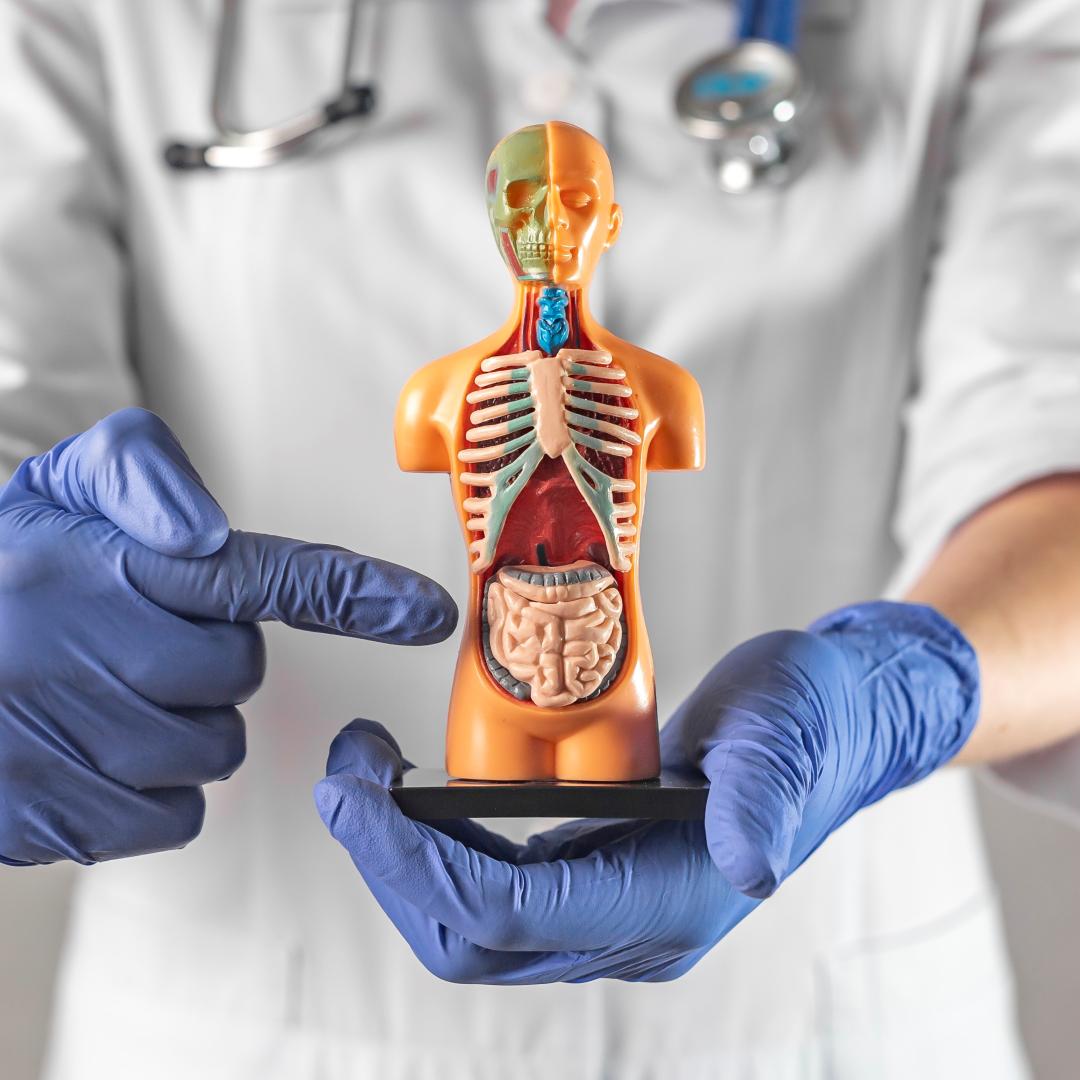
How Do GI Disorders Impact Daily Life?
GI disorders can have a substantial impact on daily life, affecting physical comfort, mental well-being, and social activities. Chronic symptoms such as abdominal pain, bloating, and irregular bowel movements can interfere with routine tasks, work productivity, and social interactions. Individuals with GI disorders may feel fatigued or unwell, which can reduce their ability to participate in physical activities or maintain an active lifestyle. For some, GI disorders necessitate frequent restroom breaks, which can make travel or extended outings challenging and contribute to social isolation or anxiety.
Furthermore, the psychological impact of managing a GI disorder can be significant. Persistent symptoms often cause stress, anxiety, and feelings of frustration, especially if the condition is difficult to control. Individuals may also need to make dietary and lifestyle adjustments, which can affect their eating habits and social activities. Seeking support from healthcare providers, support groups, or mental health professionals can be beneficial in managing the impact of GI disorders on daily life. With the right management strategies, individuals can often improve their quality of life despite the challenges posed by GI disorders.