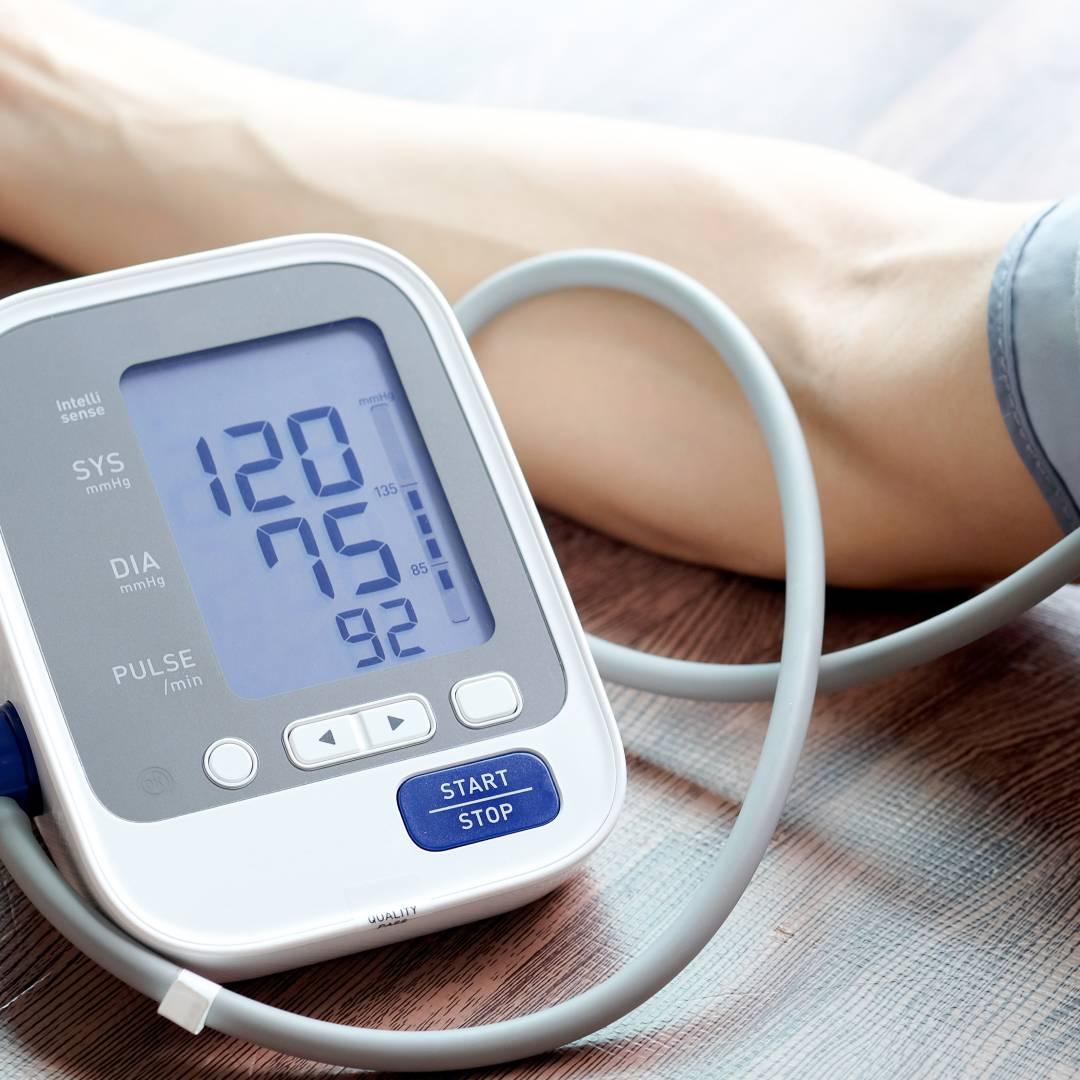
When Should I Seek Medical Help for Blood Pressure Concerns?
Medical help should be sought if blood pressure readings are consistently higher or lower than normal or if symptoms suddenly appear. Warning signs such as severe headaches, chest discomfort, shortness of breath, dizziness, or fainting may indicate that blood pressure levels are affecting circulation and require immediate evaluation. Extremely elevated readings, especially above commonly accepted emergency thresholds, should be taken seriously even if no symptoms are present. Persistent low readings accompanied by fainting or confusion should also prompt urgent care.
Even without symptoms, individuals should contact a healthcare provider if home readings show consistent changes or if they notice rising trends over time. Those with a family history of cardiovascular conditions or other risk factors should be particularly attentive. Early evaluation helps prevent complications and ensures appropriate monitoring. Seeking help at the right time supports long-term health and allows for personalized guidance on managing blood pressure safely and effectively.