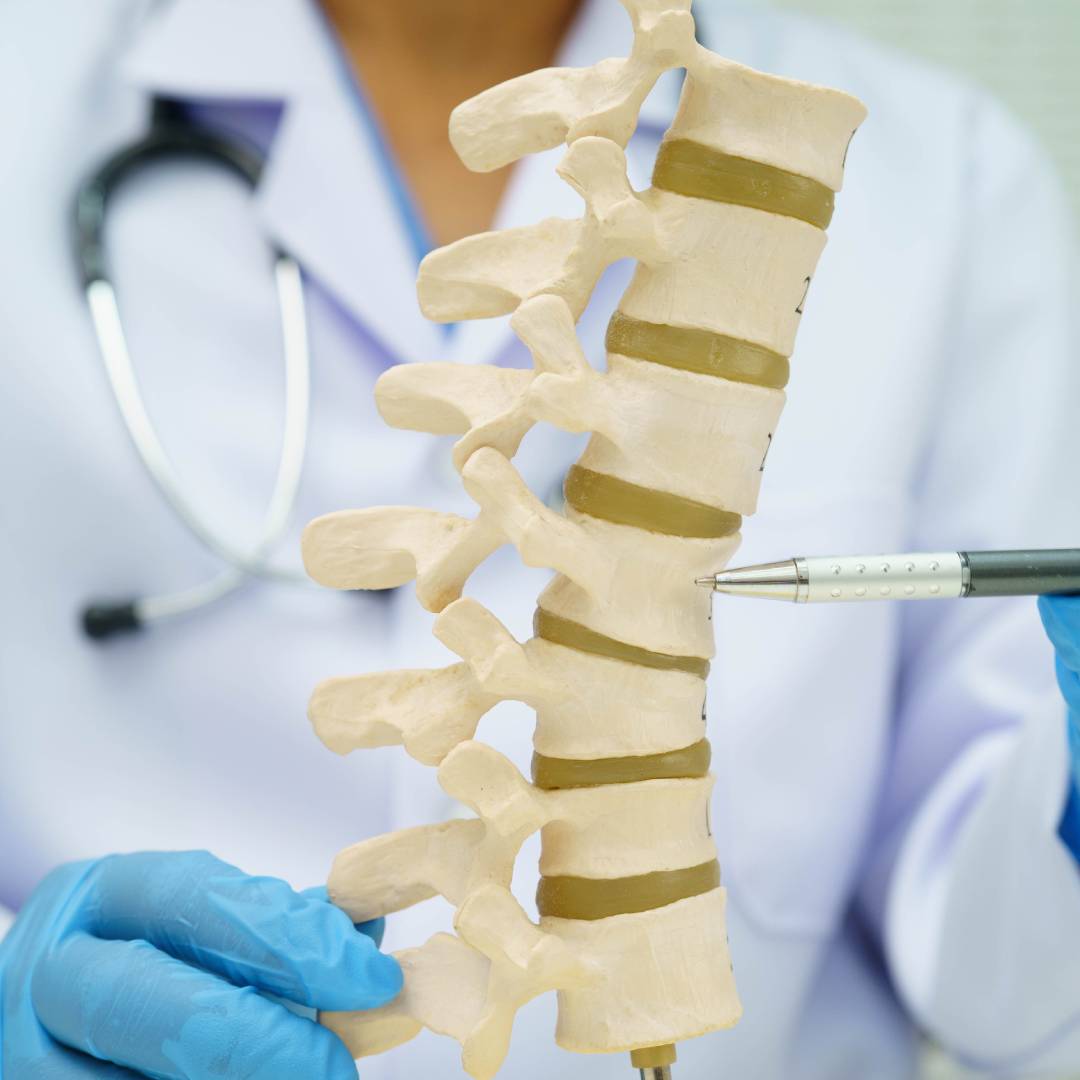
What Is Lumbar Degenerative Disc and How Can It Affect Daily Life?
Lumbar degenerative disc is a condition that involves gradual changes in the discs of the lower back over time. These spinal discs act as cushions between the bones of the spine, helping with flexibility and shock absorption. As the discs naturally age, they may lose moisture and elasticity, which can affect how the lower back moves and feels during everyday activities.
People with lumbar degenerative disc may notice stiffness, aching, or discomfort in the lower back, especially after sitting, standing, or bending for long periods. Symptoms can vary widely. Some individuals experience mild, occasional discomfort, while others may feel more persistent lower back pain that affects work, exercise, or sleep. The severity does not always match imaging findings, which is why a clinical evaluation is important.
Diagnosis usually involves a physical exam and imaging studies to assess disc changes and rule out other causes of back pain. Management often focuses on conservative care, such as guided exercise, posture support, and activity modification. The goal is to improve mobility, strengthen supporting muscles, and reduce strain on the lumbar spine.
Overall, lumbar degenerative disc is a common condition that many people experience with age. With proper guidance and individualized care, many individuals are able to stay active and manage symptoms effectively.